

Table of Contents
Same shampoo, same active ingredient, same weekly routine. One person’s flaking clears up in a week. Another’s gets worse the longer they stick with it.
I found this contradiction while reading through hundreds of comments across two long-running Reddit threads on scalp seborrheic dermatitis. Both posters were describing real results. Neither was lying.
That inconsistency is what pulled me into the research behind this article. Not ‘does ketoconazole work.’ Why does the same active ingredient produce opposite outcomes in different people, and sometimes in the same person at different points in their routine?
I’m not a dermatologist. I study scalp biology and ingredient science. A lot of my time goes into cross-checking clinical literature against what people actually report once they’re managing a condition on their own. This piece comes from doing exactly that with seborrheic dermatitis.
1 What Causes Scalp Seborrheic Dermatitis
Overgrowth of Malassezia yeast interacting with your scalp’s natural oils is the most widely accepted driver of scalp seborrheic dermatitis. Researchers haven’t pinned down one single definitive trigger, though. Malassezia lives on everyone’s skin. It’s not an infection you catch.
The yeast feeds on sebum and produces fatty acid byproducts as a result. Some people’s skin reacts to those byproducts with inflammation, redness, and flaking. Most people’s skin doesn’t.
That difference in reaction is the part that gets skipped over in a lot of basic explainers. It’s not simply “yeast present, symptoms appear.” It’s yeast byproduct plus an immune response plus, as I’ll get to, the condition of your scalp barrier at the time.
Genetics play a role here too. A family history of dermatitis, other skin conditions like psoriasis or rosacea, and even certain neurological conditions are all linked to higher rates of seborrheic dermatitis. That’s according to Cleveland Clinic. None of that means you did something wrong to trigger it.
2 Scalp Seborrheic Dermatitis vs. Dandruff vs. Scalp Psoriasis
Seborrheic dermatitis, dandruff, and scalp psoriasis are often confused because all three cause visible flaking. The texture, redness, and underlying cause of each are distinct, though. The forum threads I read were full of one recurring question. Is this dandruff, seborrheic dermatitis, or psoriasis? The honest answer is that visually, they can overlap enough to confuse even the person living with it.
Seborrheic Dermatitis vs. Dandruff
Dandruff is technically a milder form of seborrheic dermatitis, without the redness or inflammation. If your flakes are dry, white, and your scalp isn’t visibly irritated underneath, you’re likely dealing with garden-variety dandruff. That’s a different situation from the more reactive version.
Seborrheic Dermatitis vs. Scalp Psoriasis
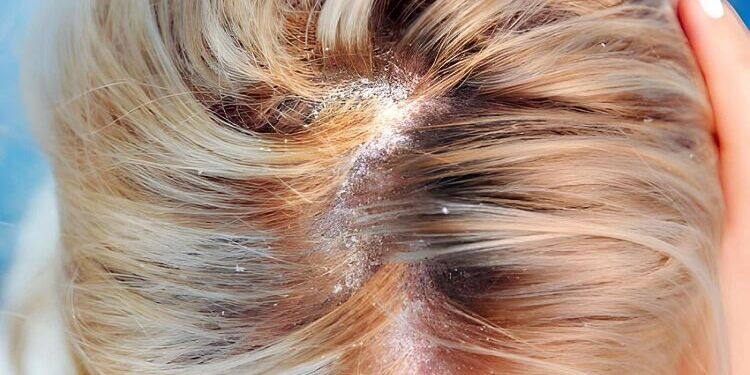
Scalp psoriasis tends to produce thicker, drier, more silvery-white plaques, and it’s an autoimmune condition rather than a yeast-driven one. Seborrheic dermatitis flakes are usually yellowish and greasy, sitting on visibly redder skin. I go deeper into telling these two apart in my scalp psoriasis vs. dandruff breakdown, since the treatment paths genuinely diverge.
Self-assessment only goes so far. A dermatologist can confirm which one you’re dealing with, and sometimes both conditions show up on the same scalp.
| Expectation | Reality | |
|---|---|---|
| Common belief | “It’s just dry scalp” | Often a variant of the same yeast-driven condition |
| Texture | Fine, powdery flakes | Yellowish, greasy scale |
| Redness | Minimal or none | Usually present, sometimes pronounced |
| Best first step | Any anti-dandruff shampoo | Antifungal treatment paired with barrier care |
3 Why Antifungal Shampoo Stops Working
Shampoo “stopping working” usually isn’t antifungal resistance. In most of the cases I read through, it tracked much more closely with the scalp’s moisture barrier breaking down from overuse of a drying product.
The Yeast Half of the Equation
Antifungal actives like ketoconazole and ciclopirox are formulated to reduce Malassezia populations, and they do this effectively. That’s the half of the problem most articles, and most products, are built around.
The Barrier Half Nobody Treats
Here’s what kept surfacing once I read past the product reviews and into the longer, multi-year comment threads. People who used ketoconazole shampoo daily, or left it on for extended periods, reported their dandruff coming back worse within weeks. People managing the condition for years, without relapse, described spacing out applications and doing something afterward to protect the scalp.
That pattern matches the biology. Antifungal shampoos are drying by design, and repeated stripping of the scalp’s outer barrier increases transepidermal water loss. A compromised barrier reacts more, not less, to the yeast that’s still present at baseline. You end up treating the yeast while quietly recreating the conditions that let it cause symptoms in the first place.
This is a reasoned interpretation built from connecting barrier science to what people reported, not a single controlled study measuring this exact mechanism in this exact population. I want to be upfront about that distinction, because a lot of scalp content online states things with more certainty than the evidence supports.
4 How to Treat Scalp Seborrheic Dermatitis
Managing scalp seborrheic dermatitis long-term usually means combining a rotated antifungal or anti-inflammatory shampoo with deliberate barrier support in between washes, rather than relying on one product used constantly.
Active Ingredients by Type
Different actives target the condition through different mechanisms, which is part of why rotation tends to outperform sticking with one product indefinitely.
- Ketoconazole and ciclopirox — prescription or OTC antifungals, direct Malassezia reduction
- Zinc pyrithione — mild antifungal and antibacterial, gentler for regular use
- Selenium sulfide — antifungal with some anti-inflammatory action
- Coal tar — slows skin cell turnover, useful for scaling
- Fluocinolone or clobetasol — prescription corticosteroids for inflammation, short-term use only, and only under a dermatologist’s guidance
The American Academy of Family Physicians notes that mild scalp cases often respond to OTC shampoos containing selenium sulfide, zinc pyrithione, or coal tar, with stronger antifungals reserved for cases that don’t improve.
Barrier Support Between Washes
This is the step the forum’s long-term successes had in common and most product marketing skips. After an antifungal wash, applying a lightweight, non-comedogenic oil helps counter the drying effect instead of leaving the scalp stripped until the next application.
Not every oil works the same way here. Heavier natural oils, including coconut and shea, contain fatty acids that lab research shows certain Malassezia species can metabolize, which may explain why several people in the threads I read reported worse flaking after ‘natural’ oil treatments — though no scalp-specific clinical trial has tested this directly. Lighter, less fermentable oils avoided that backfire in the same reports.
Conditioner belongs on your lengths, not your scalp, for the same reason. Leaving it on the scalp adds another layer of fatty material sitting right where the yeast lives.
If you checked the first two boxes and not the last three, that gap is probably where your routine is working against itself.
5 Triggers That Make Seborrheic Dermatitis Flare
Stress, cold and dry weather, and alcohol-based hair products are the most consistently reported triggers for seborrheic dermatitis flares, and all three showed up repeatedly across the forum accounts I reviewed. Stress doesn’t cause the condition, but it does appear to worsen existing flares, likely through its broader effects on skin barrier function and immune activity.
Seasonal shifts matter too. Winter’s combination of dry air and hot water exposure strips the same barrier that’s already compromised by treatment, which is why flares often cluster in colder months. I cover this seasonal pattern in more detail in my piece on winter scalp care.
Diet gets mentioned constantly in these communities, and a few people reported improvement after dietary changes. The evidence connecting specific foods to seborrheic dermatitis flares is limited and largely anecdotal, so I’d treat it as worth personal tracking rather than an established fix.
6 When to See a Dermatologist
Persistent seborrheic dermatitis that isn’t improving after several weeks of consistent OTC treatment, or any sign of pain, swelling, or fluid drainage, warrants a dermatologist visit rather than more self-experimentation. Scratched, broken skin can become infected, and infection needs medical treatment, not another shampoo swap.
I’m not able to diagnose your scalp from a description, and neither can any article. If your symptoms are severe, spreading, or not responding to the OTC approaches covered here, a board-certified dermatologist can confirm the diagnosis and prescribe something stronger if needed, including prescription-strength topical steroids or oral antifungal medication for cases that don’t resolve with OTC treatment alone.
7 Frequently Asked Questions
Rotate an antifungal or medicated shampoo (ketoconazole, zinc pyrithione, or selenium sulfide) with regular breaks, and follow washes with a lightweight, non-comedogenic oil to support the scalp barrier rather than leaving it stripped.
An overgrowth of Malassezia yeast reacting with skin oils triggers an inflammatory response in susceptible people, though the exact reason some people react and others don’t isn’t fully understood.
Scalp psoriasis, eczema, and simple dry-scalp dandruff are the conditions most often confused with seborrheic dermatitis, since all four can produce flaking and irritation with overlapping appearance.
There’s no single universal frequency. What matters more is avoiding daily use of drying antifungal shampoos long-term, since over-washing with these specific products tends to worsen symptoms by damaging the scalp barrier.
No. Some people report temporary improvement with very short hair since there’s less surface area for yeast and oil to accumulate, but the underlying condition typically returns once hair regrows, since the biology driving it hasn’t changed.