

Table of Contents
A few months ago I started keeping a rough tally of the messages I get about scalp eczema. Something clicked that I hadn’t consciously registered before.
Almost every person describes the same three-step sequence before they ever reach out to me. First, dandruff shampoo. Then a stronger dandruff shampoo. Then, usually around week six or eight, a message that starts with some version of “nothing is working and it’s getting worse.”
That timing isn’t a coincidence. Once I saw it in one inbox, I started seeing it everywhere.
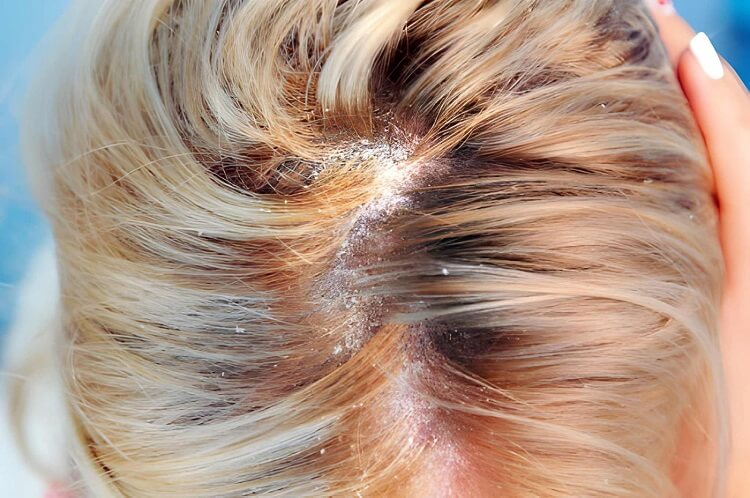
Reddit threads follow the identical arc. Someone posts a photo of raw, flaking patches along their part line. They get a flood of well-meaning suggestions in the comments. They try three or four of them in the same week, and end up more inflamed than when they started.
What made me actually dig into this, rather than filing it away as “scalp stuff is hard,” was noticing how often the advice people were given was individually reasonable but collectively contradictory. One commenter swears by daily washing to keep the scalp clean. Another insists washing less is what finally calmed things down. Someone else layers a hot oil treatment on top of an antifungal shampoo the same week, which, if you understand how that shampoo works, is close to undoing it before it has a chance to do anything.
The Real Cause Behind Failed Scalp Eczema Treatment
Before I get into what I found: I’m not a dermatologist, and I don’t run a clinic. What follows comes from cross-referencing the clinical literature on seborrheic dermatitis against dozens of reader and forum accounts describing the same failure pattern, and tracking where the two agree.
So I went looking for the actual mechanism, not just what worked for one person in one thread. Seborrheic dermatitis, which is what most people mean when they say scalp eczema, is driven largely by an overreaction to Malassezia, a yeast that lives on everyone’s scalp regardless of hygiene. That single fact reframes almost every piece of advice floating around online.
The pattern that actually produced results wasn’t a miracle ingredient. It was sequencing. That’s the thread I want to pull on for the rest of this article.
1 Is It Scalp Eczema, Dandruff, or Something Else?
Scalp eczema treatment fails most often because the underlying condition was never correctly identified — seborrheic dermatitis, plain dandruff, and psoriasis require different approaches despite looking similar.
In short: seborrheic dermatitis is yeast-driven inflammation, dandruff is its milder, uninflamed form, and scalp psoriasis is a separate immune condition that can look nearly identical but resists antifungal treatment.
Before any treatment sequence matters, the label matters. And most people searching for scalp eczema treatment haven’t actually confirmed what they have.
Seborrheic Dermatitis vs. Regular Dandruff
Dandruff and seborrheic dermatitis sit on the same spectrum, not in separate categories. Dandruff is the milder, uninflamed end. Flaking without much redness, itching, or visible irritation.
Seborrheic dermatitis is the inflamed version. Redness, greasy-looking scales, and a scalp that feels tender or hot to the touch, not just flaky.
I get a lot of messages from readers convinced they have “severe dandruff” when the redness and burning they describe point somewhere else entirely. It’s worth reading through dry scalp vs. dandruff if you’re not sure which category you’re actually in, since the treatment logic diverges from here.
When It’s Actually Atopic Eczema or Psoriasis, Not Seborrheic Dermatitis
Here’s where the Reddit misdiagnosis pattern gets interesting. A subset of the threads I read described silvery, thick plaques that didn’t respond to any antifungal shampoo, no matter how long they stuck with it.
A smaller group of searches for “scalp eczema treatment” mean atopic dermatitis specifically: dry, cracked, intensely itchy patches with a personal or family history of eczema or allergies elsewhere on the body. That version responds better to barrier-repair and anti-inflammatory approaches than to antifungal shampoo, which is the opposite of what most scalp eczema content recommends by default.
That’s a signal worth taking seriously. Sebopsoriasis, the overlap between psoriasis and seborrheic dermatitis, is common enough that Mayo Clinic treats it as a distinct diagnostic category, and it often needs a dermatologist to tell apart from a clean chair-side exam alone. If you want the visual and textural differences laid out side by side, I’ve gone deeper on scalp psoriasis vs. dandruff elsewhere on the site.
Key takeaways:
Dandruff and seborrheic dermatitis exist on a spectrum, not as separate conditions
Redness, tenderness, and greasy scale point toward inflammation, not simple dryness
Persistent, thick, silvery plaques that resist antifungal treatment may signal psoriasis overlap
Misdiagnosis is one of the most common reasons a treatment “doesn’t work”
2 Why Standard Scalp Eczema Treatment Stalls Around Week Six
Most scalp eczema treatments stall because products are switched or layered before the antifungal ingredient has had enough uninterrupted time to reduce the underlying yeast population.
This is the part of the mechanism most product-comparison articles skip entirely, and it’s the part that actually explains the pattern I noticed in my own inbox.
The Yeast Mechanism Behind the Flare
Malassezia yeast isn’t the enemy by itself. Everyone has it. The inflammation shows up when that yeast overproduces certain fatty acid byproducts that irritate the skin barrier, and the scalp responds with redness, itching, and accelerated skin shedding.
A narrative review published on PMC describes this as a multifactorial process involving barrier dysfunction and immune overreaction to Malassezia byproducts, not a straightforward infection. That distinction matters because it explains why antifungal treatment alone doesn’t work instantly. It has to bring the yeast population down before the inflammation has a reason to calm.
What Happens When You Layer Treatments Too Early
The specific contradiction I kept running into during research: someone applies a hot oil treatment or a heavy conditioner over freshly applied ketoconazole shampoo in the same week the antifungal is supposed to be working.
Oils and heavy emollients can create a film that reduces the antifungal’s contact with the scalp. Clinical trial data on ketoconazole 1% versus 2% shampoo found significant reductions in Malassezia density and flaking after just two to four weeks of consistent use, but that data assumes consistent, uninterrupted use. Interrupt it with competing products and you’re often restarting the clock without realizing it.
That’s the six-to-eight-week failure point I kept seeing in reader messages. Not a bad product. A broken sequence.
Key takeaways:
Malassezia is present on every scalp; the problem is an inflammatory overreaction to it, not the yeast’s presence alone
Antifungal treatment needs consistent, uninterrupted contact time to reduce yeast density
Layering oils, heavy conditioners, or new actives too early can undercut a treatment that was starting to work
“It stopped working” is often “it got interrupted” in disguise
3 The Treatment Sequence That Broke the Pattern
Effective scalp eczema treatment follows three phases in order — antifungal-first, then barrier support once inflammation drops, then a maintenance rhythm — rather than combining everything at once.
This is the direct payoff to the story I opened with. It’s also the simplest part of this article, which is exactly why it gets skipped.
Step 1: Antifungal First, Nothing Else Competing
Pick one antifungal shampoo, ideally containing ketoconazole, and use it as directed, alone, without layering oils or new products on top during the same window. AAD’s treatment guidance notes that straight or wavy hair typically tolerates medicated shampoo two to three times a week, while more frequent use may suit oilier scalps.
Step 2: Add Barrier Support Once Flares Calm
Once redness and active flaking drop, that’s the point to reintroduce gentle, fragrance-free products that support the scalp’s pH balance, not before. Adding barrier-repair ingredients too early can dilute what the antifungal phase was doing.
Step 3: Shift Into Maintenance Frequency
Once things are calm, the goal changes from clearing a flare to preventing the next one. That usually means a lighter version of the same routine, not abandoning it entirely once symptoms disappear.
4 Expectation vs. Reality: What the Pattern Actually Shows
| What People Expect | What the Pattern Actually Shows |
|---|---|
| ✕ A stronger shampoo works faster | ✓ Switching too early resets progress before the antifungal phase can finish |
| ✕ Washing daily clears buildup faster | ✓ Over-washing can worsen irritation, especially on curly or coily scalps |
| ✕ Natural oils soothe irritation | ✓ Oils layered on top of antifungals can blunt their effectiveness |
| ✕ One product should resolve everything | ✓ Most cases need a sequence, followed by ongoing maintenance |
5 When Scalp Eczema Treatment Needs to Go Beyond OTC
If a correctly sequenced OTC routine hasn’t improved symptoms in six to eight weeks, or if the scalp shows open sores or spreading irritation, that’s the signal to move to prescription treatment rather than trying another over-the-counter product.
A subset of the reader and forum accounts I read didn’t resolve with sequencing alone. These weren’t people doing it wrong. Some cases genuinely need more than OTC antifungals can offer.
Mayo Clinic’s treatment guidance notes that when nonprescription products and self-care steps aren’t enough, a dermatologist may prescribe stronger topical treatments or, in more resistant cases, oral antifungal medication. That escalation isn’t a failure. It’s the next appropriate step in a chronic condition.
Misconception worth naming here: failing an OTC sequence doesn’t mean trying a stronger version of the same category of product. It usually means the category itself needs to change, under a dermatologist’s guidance.
Key takeaways:
Open sores, spreading redness, or six-plus weeks without improvement are reasonable triggers to see a dermatologist
Escalating to prescription treatment is a normal next step, not a sign the sequence failed
More of the same OTC category rarely solves what OTC alone couldn’t
6 Scalp Eczema Treatment Is About Management, Not a Cure
Seborrheic dermatitis is a chronic, relapsing condition that’s managed long-term rather than cured, so a returning flare after successful treatment reflects the condition’s natural course, not a failed product.
This closes the loop on the complaint I saw most often: “it worked for a while, then stopped.”
Systematic review data on scalp seborrheic dermatitis treatments consistently frames this as a relapsing-remitting condition, with even well-studied treatments like ketoconazole shampoo requiring ongoing use to prevent recurrence rather than delivering a one-time fix. A flare returning months later usually means maintenance lapsed, not that the biology changed.
That reframe alone resolves a lot of the frustration visible in the threads I read. A returning flare isn’t evidence the treatment failed. It’s evidence maintenance stopped.
7 Common Questions
Is scalp eczema the same as dandruff?
No. They sit on the same spectrum, but dandruff is uninflamed flaking, while scalp eczema (seborrheic dermatitis) involves redness, itching, and irritation on top of the flaking. Treatment overlaps but severity and product strength usually differ. That’s why a product that clears simple dandruff may not touch the redness and burning of true seborrheic dermatitis.
How often should I wash my hair with scalp eczema?
It depends on hair type, not a fixed rule. Straight or wavy hair often tolerates medicated shampoo two to three times weekly, while curly or coily hair may need less frequent washing to avoid over-drying and worsening irritation. Washing too often on curly or coily hair tends to strip moisture and worsen irritation, which is part of why a fixed daily-wash rule backfires for some readers.
What is the best treatment for eczema on the scalp?
For most mild-to-moderate cases, a ketoconazole-based antifungal shampoo used consistently and correctly sequenced, without competing products layered in too early, is the strongest evidence-backed starting point. Layering oils or new actives on top of it during that window is the single most common reason it appears to stop working. Cases that don’t respond after 6–8 weeks warrant a dermatologist’s evaluation for prescription-strength options.