

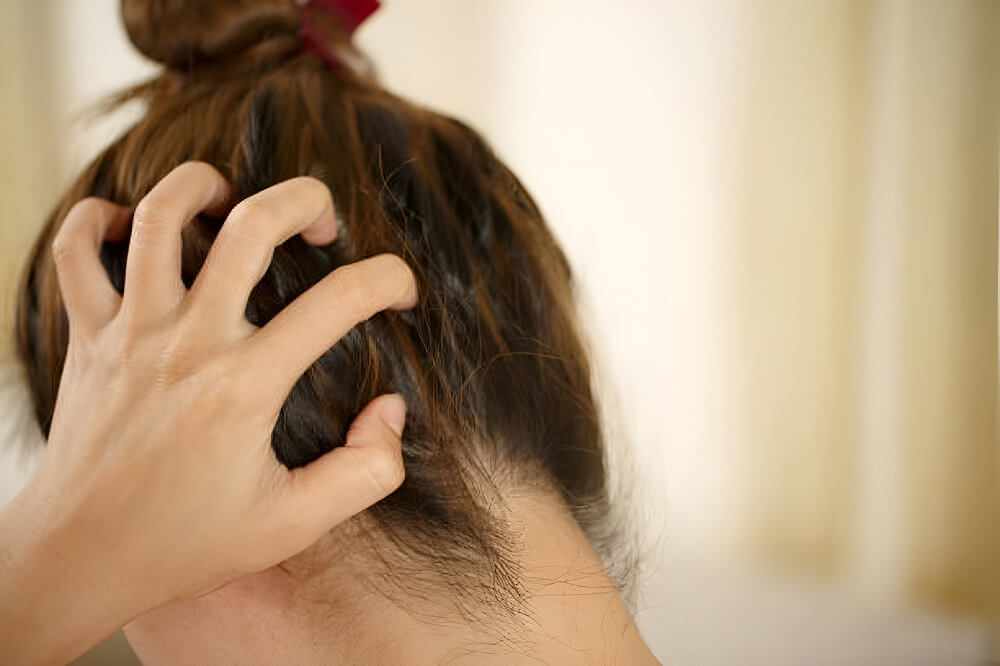
Combination scalp care comes up constantly in the questions I get from readers, and almost every one starts the same way: “I don’t know what kind of scalp I have.”
That confusion makes sense. Most scalp advice online assumes one of two extremes — oily or dry — and tells you to pick a side.
But scalps don’t always cooperate with that split. Oil glands aren’t spread evenly across your head. They’re denser around the crown and hairline, and thinner near the nape and behind the ears. So it’s entirely normal for one zone to look shiny by midday while another feels tight, flaky, or irritated.
I’ve seen this pattern come up again and again while reviewing scalp health research and going through reader cases. Someone uses a clarifying shampoo to deal with the grease, and the dry patches get angrier. They switch to a rich, moisturizing routine, and the oily areas go flat and heavy within a day. Neither approach is wrong — they’re just solving half the problem.
This guide explains what’s actually going on with a combination scalp. You’ll learn how to tell dryness apart from a damaged moisture barrier. You’ll also learn how to build a routine that supports both zones without one undoing the other. I’ll also point out where home care stops being enough and a dermatologist visit is the smarter next step.
What Is a Combination Scalp?
A combination scalp is exactly what it sounds like — oily in some areas, dry in others, on the same head, at the same time. It’s not a contradiction. It’s just two different sets of conditions playing out across one surface.
I started paying close attention to this pattern after noticing how often it showed up in the messages readers send me. Someone describes a greasy crown by noon, paired with flaking and tightness along the hairline or behind the ears. At first I assumed these were two separate issues people were mixing up. The more cases I reviewed, the more clearly I saw this distinct pattern, not a mix-up.
Here’s the mechanism behind it. Your scalp contains sebaceous glands that produce oil. Those glands aren’t distributed evenly. They tend to cluster more densely around the crown and front hairline, areas that sit closer to where hair follicles are also denser. Move toward the nape of your neck or behind your ears. Gland density drops off in those areas. Less oil production there means that zone is far more exposed to whatever else is drying it out — wind, heat from styling tools, harsh shampoo, hard water, or just age-related changes in skin barrier function.
So you end up with one scalp running two different stories. The crown is overproducing oil. The perimeter is underprotected and losing moisture. Treat the whole head as one type, and you’re always fixing one zone at the expense of the other.
This is different from having “normal” hair with the occasional bad day. A true combination pattern is consistent — it shows up the same way, in roughly the same zones, week after week. That consistency is actually useful information. It shows that structural factors are driving the issue (gland distribution, barrier health) rather than something temporary like a one-off reaction to a new product.
Signs You May Have a Combination Scalp
Figuring out whether you’re actually dealing with a combination scalp — and not just an oily scalp with a bad week, or a dry scalp going through a rough patch — comes down to watching a few specific signs over time.
Here’s what I look for, both in my own research review and in the patterns readers describe to me most often.
Oily roots
This usually shows up first, and fastest. By the second day after washing — sometimes even by the end of day one — the crown and front hairline start looking flat and shiny.
That’s the higher concentration of sebaceous glands in those zones doing exactly what they’re built to do: producing oil at a steady, sometimes excessive, rate.
Dry patches
At the same time, other areas tell a completely different story. The nape of the neck, the skin behind the ears, sometimes the temples — these spots feel rough or look dull, with none of the shine you’re seeing up top. Fewer oil glands means less natural lubrication, so these areas dry out faster and recover slower.
Scalp tightness
A lot of readers describe this as a “stretched” or “stiff” feeling, usually after washing.
It’s a sign the skin barrier in that area has lost moisture faster than it can replace it. Tightness on its own isn’t alarming — but tightness that shows up in the same spots every single wash is a pattern worth paying attention to.
Flakes in some areas, not others
This is one of the clearest tells of a true combination scalp. If flaking were just dandruff or a single dry-scalp issue, you’d expect it more evenly distributed. With combination scalps, flakes tend to concentrate exactly where the dryness is — hairline, nape, behind the ears — while the oilier zones stay flake-free or even show the opposite problem (buildup-related flaking, which looks similar but has a different cause).
Itching
Itching can come from either side of the equation, which is what makes it tricky. Dry, tight skin itches because the barrier is compromised.
Oily areas can itch too, usually from product buildup, sweat, or mild irritation at the follicle. If you’re itching in multiple zones for what feel like different reasons, that’s often combination scalp at work, not one single cause.
Product sensitivity
This is the sign that frustrates people the most, and it’s the reason I bring it up last.
A shampoo or treatment that calms the oily crown can sting, dry out, or irritate the perimeter. A rich, moisturizing product that fixes the dry patches can clog or weigh down the oilier zones.
If a product works on one area but makes another area worse, that’s not bad luck. It’s your scalp telling you it needs a zone-based approach instead of a one-size-fits-all routine.
What Causes a Combination Scalp?
A combination scalp isn’t usually caused by one single thing. In most of the cases I’ve looked at, it’s a layering effect — a baseline of uneven oil gland distribution, plus one or two habits or conditions that push the oily and dry zones further apart. Here are the factors I see most often.
Overwashing– Washing strips oil from the entire scalp, not just the parts that need it. If you’re washing daily to manage the oily crown, you’re also stripping the already-dry perimeter every single day, with no chance for it to recover. The crown bounces back fast because it produces oil quickly. The drier zones don’t have that same recovery speed, so they fall further behind with every wash.
Product buildup– This one’s counterintuitive. People assume buildup only happens with heavy, moisturizing products, but it builds up just as easily from dry shampoo, styling sprays, or residue from shampoos that don’t rinse cleanly in hard water.
Buildup traps oil at the roots, which can look like — and sometimes trigger — extra flaking nearby, even in zones that aren’t naturally oily. It’s a big reason people misread what’s actually a buildup issue as “my dry scalp is getting worse.”
Environmental changes– Heat, humidity, cold air, indoor heating in winter — all of it affects the scalp’s moisture levels, but not evenly.
Heat tends to ramp up oil production at the crown. Cold, dry air pulls moisture from the more exposed, lower-gland-density areas. Seasonal shifts are one of the most common reasons people notice their combination pattern getting more pronounced at certain times of year.
Scalp barrier disruption– The outermost layer of your scalp’s skin is what holds moisture in and keeps irritants out. Harsh sulfates, over-exfoliating with scrubs, hot water, or aggressive scratching can all damage that barrier.
Once the barrier weakens, the dry zones lose moisture faster. They also react more easily to products that normally wouldn’t cause problems. This is usually the missing piece when someone tells me a product “used to work fine” and suddenly doesn’t.
Hormonal factors– Hormones directly influence how much oil your sebaceous glands produce. Shifts during puberty, pregnancy, perimenopause, or certain medical conditions can increase oil output at the crown while doing nothing to help — and sometimes worsening — dryness elsewhere.
This is one of the few causes on this list that isn’t really about routine or products at all; it’s physiological, and it’s worth knowing that not every combination pattern can be fully “fixed” through topical care alone.
Inconsistent routines– Switching products frequently, alternating between clarifying and moisturizing treatments without a clear plan, or following different advice every few weeks keeps the scalp in a constant state of adjustment.
Both oily and dry zones need a stable routine to actually show whether something is working. Inconsistency doesn’t just fail to help — it can actively widen the gap between your oiliest and driest areas, because neither zone gets the sustained care it needs to stabilize.
Combination Scalp vs Oily Scalp
The easiest way to tell these apart is to look at consistency across the whole scalp, not just at the crown.
With a purely oily scalp, the excess oil is fairly uniform. The crown, hairline, sides, and back of the head all produce oil at a similar elevated rate. Wash it, and within a day or two the whole scalp starts looking the same again — evenly shiny, evenly weighed down. There’s no zone that stays dry or flaky while the rest gets greasy.
A combination scalp breaks that pattern. The crown behaves like an oily scalp, but the nape, temples, or area behind the ears don’t follow along. They stay dry, sometimes flake, sometimes feel tight — even while the crown is producing oil on schedule. If you washed your hair yesterday and your crown already looks oily again today, that part matches an oily scalp profile. But if your hairline is flaking at the same time, that’s not something a true oily scalp does.
The product test is useful here too. Clarifying or oil-control products generally work well across an entire oily scalp with no real downside. On a combination scalp, those same products help the crown but tend to leave the drier zones worse off — tighter, flakier, more irritated. That divergence in how the scalp responds to one product is usually the clearest sign you’re not dealing with straightforward oiliness.
Combination Scalp vs Dry Scalp
This comparison works the same way, just flipped.
A purely dry scalp tends to show dryness, tightness, and flaking fairly evenly across the whole head. There isn’t a section that’s noticeably oilier than the rest — if anything, hair might look dull or flat everywhere because the scalp isn’t producing enough oil overall to add any shine or weight.
A combination scalp again breaks that symmetry. The dryness and flaking are real, but they’re concentrated — usually at the perimeter, nape, or behind the ears — while the crown tells a completely different story with visible oil and faster regreasing after washing. If you’ve been treating your scalp as “just dry” with rich oils and moisturizing shampoos, but your roots keep looking greasy within a day of washing, that oily crown is the detail a purely dry-scalp diagnosis can’t explain.
The product response test applies here as well. Moisturizing and oil-based treatments tend to help a true dry scalp everywhere, fairly evenly. On a combination scalp, those same treatments can fix the dry zones while making the crown look weighed down, limp, or oilier than before. That’s the scalp telling you the moisture issue isn’t uniform, even though the dryness itself is real.
The pattern to remember across both comparisons: oily and dry scalps are consistent across the whole head. Combination scalp is defined by inconsistency — and that inconsistency is the diagnostic clue, not a sign you’re imagining two unrelated problems.
How to Create a Combination Scalp Care Routine
The core idea is simple. You’re not treating one scalp. You’re managing two zones with different needs at the same time. Most of the routine mistakes I see come from picking a single product or method and applying it everywhere, hoping it averages out. It doesn’t — it usually just shifts the problem from one zone to the other.
Here’s how I’d build it out, step by step.
Choose a Balanced Cleanser
You want a cleanser gentle enough not to strip the dry zones, but effective enough to actually clear oil and buildup from the crown. That usually rules out both ends of the shelf — the heavy-duty clarifying shampoos and the ultra-rich, sulfate-free “moisture” lines.
| Look for | Avoid | Why |
|---|---|---|
| Mild, low-sulfate or sulfate-free surfactants | Harsh sulfates (e.g., sodium lauryl sulfate as a primary surfactant) | Strong sulfates clean the crown well but strip the perimeter’s barrier too aggressively |
| Lightweight humectants (glycerin, panthenol) | Heavy oils or butters in the base formula | Humectants add moisture without leaving residue that weighs down oily zones |
| pH-balanced formulas (close to scalp’s natural pH) | High-pH “deep cleaning” shampoos | A balanced pH supports barrier function across both zones rather than disrupting it |
Wash Based on Scalp Response, Not a Fixed Schedule
A rigid “wash every other day” rule ignores the fact that your crown and perimeter are recovering at different speeds. I’d rather you watch how each zone actually responds and adjust from there.
| Signal from your scalp | What it suggests | Suggested action |
|---|---|---|
| Crown looks oily within 24 hours | Oil production is running fast at the crown | Keep wash frequency as-is; consider a light root-focused cleanse between full washes |
| Perimeter still feels tight 2+ days after washing | Dry zones aren’t recovering fast enough | Stretch the interval slightly, or shift to a gentler cleanser |
| Both zones look fine on day 2, oily by day 3 | Your current frequency may already be close to right | Maintain current schedule, reassess only if symptoms change |
Moisturize Dry Areas Strategically
This is where zone-specific application matters more than the product itself. Applying a rich treatment scalp-wide almost always overcorrects the crown.
| Method | Where to apply | Why it works |
|---|---|---|
| Targeted scalp serum or oil, applied with fingertips | Nape, behind ears, hairline only | Concentrates moisture exactly where the barrier needs support, without reaching the crown |
| Leave-in scalp mist (lightweight, humectant-based) | Dry patches, as needed between washes | Adds moisture without the weight of an oil-based product |
| Overnight treatment (occasional, not nightly) | Driest zones only | Gives the barrier extended time to absorb moisture; frequency should match how dry the area actually gets, not a fixed routine |
Avoid Heavy Product Layering
Layering multiple treatments can quickly undo zone-specific care. Products migrate more easily than most people expect. Oil applied at the nape can spread toward the crown through normal hair movement and pillow contact, and you end up re-oiling the area you were trying to keep clean.
| Common layering mistake | What happens | Better approach |
|---|---|---|
| Oil treatment + leave-in conditioner, same day | Product migrates toward crown, increases oiliness there | Pick one targeted treatment per session, applied only where needed |
| Multiple “scalp” products stacked daily | Buildup accumulates, can trigger flaking that mimics dryness | Rotate, don’t stack — use one product, evaluate before adding another |
| Heavy styling products applied scalp-deep | Adds to oil and buildup at roots | Apply styling products mid-shaft to ends, keep them off the scalp |
Support Scalp Barrier Health
Long-term, this matters more than any single product choice. A healthy barrier is what keeps the dry zones from losing moisture too fast and keeps the oily zones from overreacting to irritation.
| Barrier-supporting habit | Why it matters |
|---|---|
| Lukewarm water instead of hot | Hot water accelerates moisture loss and can worsen both oiliness (via irritation-triggered oil production) and dryness |
| Limiting harsh exfoliating scrubs to occasional use | Over-exfoliating damages the barrier faster than it can repair itself |
| Patch-testing new products on one small area first | Lets you catch irritation before it affects the whole scalp |
| Giving any new routine 3–4 weeks before judging it | Barrier repair and oil regulation both take time; switching too fast keeps the scalp in constant readjustment |
The thread running through all five steps is the same: treat the crown and the perimeter as two zones with two sets of instructions, not one scalp with one product line. It’s slower than grabbing whatever’s marketed as “for combination hair,” but it’s the only approach that actually holds up once you look at why each zone is behaving the way it is.
Best Ingredients for Combination Scalp Care
When I review ingredient lists, I focus on one question. Does the ingredient help regulate the scalp instead of adding more oil or stripping more moisture? The six below come up repeatedly in research because they tend to work with the scalp’s own balance instead of forcing it in one direction.
Aloe Vera
Aloe vera is mostly water by composition, which is part of why it works well across both zones — it hydrates without leaving the heavy residue that oils or butters can.
It also has a long history of use for calming irritated skin, which matters here because combination scalps often deal with low-grade irritation on both ends: dryness-related tightness on the perimeter, and buildup-related sensitivity at the crown. Look for aloe vera gel or extract near the top of an ingredient list, since lower concentrations may not deliver much beyond fragrance.
Niacinamide
This is a form of vitamin B3, and it’s one of the few ingredients that genuinely works in two directions at once.
Research on niacinamide shows it can help regulate sebum production at oily sites while also supporting the skin barrier — which is exactly the dual job a combination scalp needs done. It’s also generally well-tolerated, which matters for the more sensitive, dry zones where stronger actives might sting.
Jojoba Oil
Jojoba oil’s structure closely resembles human sebum, which is why it tends to absorb well without feeling greasy. For combination scalps, this matters because it can moisturize dry patches without signaling the scalp to overproduce oil in response — something heavier mineral oils or thick butters are more likely to do. I’d still keep it to targeted, perimeter-only application rather than applying it scalp-wide.
Panthenol
Panthenol, a form of pro-vitamin B5, is a humectant — it draws and holds moisture in the skin. It’s lightweight, doesn’t clog, and is commonly used in formulas specifically because it hydrates without adding the weight that oil-based ingredients can.
This makes it one of the safer “scalp-wide” ingredients on this list, since it’s less likely to overload the oilier crown the way a rich oil treatment might.
Oat Extract
Oat extract (often listed as colloidal oatmeal or avena sativa) is well-documented for calming irritated, itchy skin. Combination scalps frequently deal with itching from two different causes at once — dryness-related and irritation-related — and oat extract tends to help with both without adding oil or stripping the scalp further. It’s a good ingredient to look for if itching is your most prominent symptom.
Salicylic Acid (Gentle Use)
Salicylic acid is a beta-hydroxy acid that helps clear buildup and excess oil at the follicle, which makes it useful for the crown specifically. The caveat matters more here than with any other ingredient on this list: salicylic acid can be drying and irritating if it reaches the already-compromised perimeter zones.
I’d only recommend it in low concentrations, applied directly to the oilier areas, and never as a full-scalp treatment. If you notice increased tightness or flaking spreading beyond where you applied it, that’s a sign to scale back or stop.
A general note on all six: ingredient lists tell you what’s possible, not what’s guaranteed. Concentration, formulation, and how a product is applied all affect whether an ingredient actually performs the way the research suggests. The most reliable approach is still to patch-test, apply strategically by zone, and give a product several weeks before deciding whether it’s working.
Mistakes That Make a Combination Scalp Worse
Most of the combination scalp cases I see haven’t just developed naturally — they’ve been made worse by well-intentioned routines that treat the symptoms without considering the whole picture.
These five mistakes come up again and again, and they’re worth calling out specifically because each one feels like a reasonable fix in the moment.
Overwashing
I mentioned this earlier as a cause, but it deserves a second look here because it’s also the most common reaction to a combination scalp once someone notices the oily crown. The instinct is to wash more often to control the grease. The problem is that every wash also strips the already-struggling perimeter, and that zone doesn’t recover as fast as the crown does.
Over time, this widens the gap instead of closing it — the crown stays manageable for a day, but the dry areas get progressively more depleted with each extra wash.
Over-Exfoliating
Scalp scrubs and exfoliating treatments have gotten more popular, and they do have a place — clearing buildup at the crown can genuinely help. But I see people apply the same scrub across the entire scalp, including the dry, already-thin-barrier zones.
Those areas don’t have the same buildup to remove, so exfoliating them isn’t clearing anything useful — it’s just causing micro-irritation to skin that was already struggling to retain moisture. If you exfoliate, it should be a targeted, occasional step at the crown, not a scalp-wide habit.
Using Heavy Oils Everywhere
This is the dry-scalp instinct taken too far. Heavy oils — coconut oil, castor oil, thick butters — can genuinely help a dry, flaking perimeter. But applied scalp-wide, they sit on top of the crown’s existing oil production and add to it, rather than solving anything there. Worse, oil tends to migrate with hair movement, so even a “targeted” application can end up redistributing toward the crown over the course of a day. The result is a scalp that looks more uniformly oily, while the original dry patches may still be just as dry underneath the residue.
Ignoring Dry Areas
This one is subtler. A lot of people build their entire routine around the oily crown simply because it’s the most visible, most immediately annoying symptom. The dry patches at the nape or behind the ears get left alone — no targeted treatment, sometimes not even noticed until they start flaking or itching. Left untreated, a compromised barrier doesn’t just stay the same; it tends to get more reactive over time, which means by the time it’s addressed, it often needs more intensive care than it would have a few months earlier.
Constantly Changing Products
When a routine doesn’t seem to be working, the natural instinct is to try something else — often within a week or two. The issue is that scalp barrier repair and oil regulation both take time, generally several weeks at minimum, to show their real effect.
Switching products that often means you’re rarely seeing a fair trial of anything. It also keeps the scalp in a constant state of adjusting to new formulas, which can itself trigger irritation that gets mistaken for the original problem getting worse. I’d rather see someone commit to one reasonable routine for three to four weeks and evaluate honestly than cycle through five products in that same window and learn nothing concrete from any of them.
The pattern across all five: each mistake comes from solving for one zone without accounting for the other. The fix isn’t more aggressive treatment — it’s more targeted treatment, applied with enough patience to actually tell whether it’s working.
When to See a Dermatologist
Most combination scalp cases respond well to a consistent, zone-based routine over a few weeks. But there are situations where home care isn’t the right tool for the job, and I think it’s worth being direct about that rather than implying a routine adjustment can fix everything.
Here’s when I’d tell someone to stop experimenting on their own and get a professional opinion:
- No improvement after 6–8 weeks of a consistent, well-targeted routine. If you’ve genuinely given a zone-based approach enough time and the oily and dry patterns haven’t shifted at all, something other than routine and product choice may be driving it.
- Flaking that doesn’t respond to gentle care, or looks thick, yellowish, or greasy. This can point toward seborrheic dermatitis or another inflammatory scalp condition, which often needs a medicated treatment rather than cosmetic adjustments.
- Redness, swelling, or visible inflammation. This goes beyond typical dryness or irritation and suggests the skin barrier issue has progressed into something that needs clinical evaluation.
- Pain, burning, or intense itching that disrupts daily life or sleep. Ordinary scalp itchiness from dryness is usually mild and manageable. Itching severe enough to interfere with sleep or concentration is a different category and worth having checked.
- Any hair thinning or shedding alongside the scalp symptoms. Combination scalp issues on their own don’t typically cause hair loss. If you’re noticing both at once, it’s worth ruling out a separate underlying cause rather than assuming they’re connected.
- Symptoms that spread, worsen suddenly, or don’t match the patterns described here. Combination scalp is consistent and zone-specific. If what you’re experiencing is erratic, spreading rapidly, or doesn’t fit that pattern, that’s a signal to get an in-person look rather than keep guessing from a screen.
A dermatologist can also run tests or do a closer visual exam that simply isn’t possible through a description or a few photos — things like distinguishing seborrheic dermatitis from psoriasis, or ruling out a fungal component, which can look similar to dryness but needs an entirely different treatment approach.
If you’ve tried a reasonable, patient routine and you’re still stuck, that’s not a failure on your part — it just means the issue may need a more precise diagnosis than home care alone can provide.
Frequently Asked Questions
If there’s one idea I’d want you to take from all of this, it’s that a combination scalp isn’t a confusing exception — it’s a predictable result of how unevenly oil glands are distributed across your head, combined with whatever habits, products, and environmental factors are layered on top.
That’s actually good news, in a way. Once you stop expecting one product or one routine to fix your entire scalp at once, the path forward gets a lot clearer: a gentle, balanced cleanser for the whole scalp, targeted moisture only where the dry zones need it, and enough patience to let a routine actually prove itself over several weeks before changing course.
It won’t always be a perfectly straight line. Seasons shift, hormones shift, and what worked in spring might need a small adjustment by winter. But the zone-based thinking behind this guide holds up regardless of those changes — treat your crown and your perimeter as the two different stories they actually are, and the rest of the routine tends to follow naturally from there.
And if you’ve genuinely given a thoughtful routine real time and you’re still stuck, that’s not a sign to keep guessing. That’s the point where a dermatologist’s closer look is worth more than another product swap.