
A few months back, I compared two “tea tree scalp oils” side by side. Same promise on the label. Same price range, more or less.
Then I flipped both bottles over.
One listed Melaleuca alternifolia oil third on the ingredient panel. The other buried it near the bottom, right before the preservatives — the usual sign it’s there for scent, not function.
That five-second comparison explained something I’d been circling for weeks. Why does Reddit split almost evenly on whether tea tree oil actually helps a scalp, or wrecks one?
Two products can carry the identical front-label promise while containing wildly different actual concentrations of the active ingredient. One is plausibly therapeutic. The other is expensive fragrance. And most articles never mention this distinction at all.
How Tea Tree Oil Helps an Itchy, Flaky Scalp
Tea tree oil’s main effect on dandruff comes down to one compound: terpinen-4-ol. It’s the primary antimicrobial constituent, and it appears to disrupt the growth of Malassezia, a yeast-like fungus that lives on every scalp in small amounts.
In some people, Malassezia overgrows. That overgrowth is one of the leading theories behind seborrheic dermatitis and ordinary flaking.
The clearest evidence here comes from a placebo-controlled trial testing a 5% tea tree oil shampoo against a placebo shampoo over four weeks. Participants using the tea tree formula saw a 41% reduction in dandruff severity. That’s a real, measured result, not a marketing claim.
It’s worth being precise about what this study does and doesn’t cover. It tested dandruff specifically. It didn’t test hair growth, oily scalp, or scalp psoriasis. If you’re trying to sort out whether your flaking is dry scalp or actual dandruff, that distinction matters before you reach for any antifungal ingredient.
Tea Tree Oil Dilution Ratio for Scalp
Five percent is the concentration that actually matters here, and it’s not an arbitrary caution — it’s the exact dose tested in the shampoo trial above. Almost every article repeats “dilute it” without saying where that number comes from.
Where the 5% Number Comes From
Undiluted tea tree oil is strong enough to be used as a topical antiseptic in some settings, including on minor wounds and insect bites, according to the National Center for Complementary and Integrative Health. That tells you something about its potency on skin generally.
Scalp skin is thinner and more reactive than most people assume. Applying an antiseptic-strength oil directly, with no dilution, treats it like a spot treatment rather than a scalp product.
What Happens Above That Threshold
Push the concentration higher, or apply it undiluted and frequently, and the same antimicrobial strength that disrupts Malassezia starts irritating healthy skin. Several threads in r/SkincareAddictionUK and r/Folliculitis describe exactly this: users applying tea tree oil directly to the scalp and developing new breakouts, worsening folliculitis, or a seborrheic dermatitis flare that wasn’t there before.
That’s not evidence tea tree oil doesn’t work. It’s evidence that concentration is the variable nobody’s explaining clearly enough.
For readers dealing with a barrier that’s already compromised, from over-washing, harsh actives, or genuinely sensitive scalp skin, even a properly diluted tea tree solution can still sting. That’s a signal to stop, not push through.
Is Your Tea Tree Oil Product Actually Therapeutic?
Before applying anything labeled “tea tree,” run it through this:
Check the ingredient list. Melaleuca alternifolia should sit in the top third, not buried near preservatives.
Look for a stated concentration or a product built specifically around a 5% formulation.
Confirm it’s steam-distilled and sourced from Australia if you’re buying pure oil rather than a pre-made shampoo.
Mixing your own: using the common approximation of about 20 drops per mL, that’s roughly 15 drops of pure tea tree oil per tablespoon of carrier oil to land near 5%. Dropper sizes vary, so treat this as a starting estimate, not an exact figure.
Always patch test on your inner arm 24 hours before applying anything new to your scalp.
Tea Tree Oil for Scalp: What Actually Happens vs. What Product Marketing Promises
Marketing sells certainty. The forum record shows something more dose-dependent.
| Marketing Promise | Realistic Outcome |
|---|---|
| “Instant relief from itching” | Meaningful improvement typically takes 4+ weeks of consistent use |
| “Safe for daily undiluted use” | Undiluted, frequent use is linked to irritation, folliculitis flares, and dermatitis in forum reports |
| “Works for all scalp conditions” | Evidence is solid for dandruff; support for psoriasis is anecdotal, per the National Psoriasis Foundation |
| “More oil means faster results” | Past roughly 5%, irritation risk rises without added antifungal benefit |
How to Use Tea Tree Oil on Your Scalp Safely
Patch test first. Always. A small drop of your diluted mixture on the inner forearm, left for 24 hours, tells you more than any product review will.
From there, two practical routes work, and they’re not interchangeable.
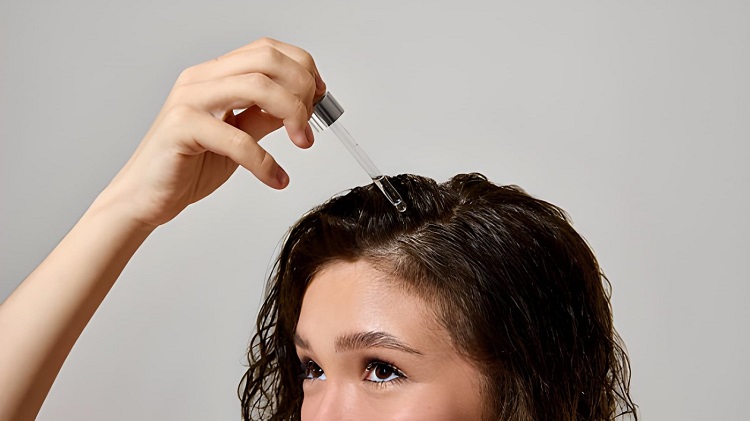
Mixing into a carrier oil is the more controllable, leave-on option. Combine roughly 15 drops of pure tea tree oil with one tablespoon of jojoba or coconut oil, massage into the scalp, and leave it on for 10 to 15 minutes before washing out.
Adding it to shampoo is simpler but lighter by design, since it’s a rinse-out application with much shorter contact time. Around 10 to 15 drops per ounce of shampoo, used during a normal wash, is a reasonable range for that shorter exposure.
Either way, two to three times a week is a sensible starting frequency. Daily use, especially undiluted, is where the irritation reports tend to cluster.
If you’re layering this into an existing routine, it’s worth checking whether your current hair-washing frequency is already contributing to the dryness or oiliness you’re trying to fix. Adding an antifungal oil on top of an unbalanced routine tends to mask the real problem instead of solving it.
Tea Tree Oil Side Effects on Scalp: When to Stop
Redness, new bumps, or increased itching after applying tea tree oil are signs to stop, not push through.
Sometimes “it’s not working” actually means the product was fragrance-only from the start, with too little active ingredient to do anything. Other times it means the scalp is reacting to the antiseptic strength itself, which is a different problem entirely.
“Natural” doesn’t mean no risk of irritation. Tea tree oil is a potent essential oil, and potency cuts both ways.
If symptoms persist past two weeks, spread, or come with pain, that’s outside the scope of what any at-home routine should be managing. A board-certified dermatologist can rule out conditions like fungal folliculitis or scalp psoriasis that look similar to simple dandruff but need different treatment entirely.
Frequently Asked Questions
Can you put tea tree oil directly on your scalp?
Undiluted tea tree oil isn’t recommended for direct scalp application. Its antiseptic strength can irritate scalp skin, especially with repeated use, so mixing it into a carrier oil or shampoo at roughly 5% is the safer approach.
How often should you use tea tree oil on your scalp?
Two to three times a week is a reasonable starting point for most people. Daily application, particularly undiluted, is where forum reports of irritation and folliculitis tend to concentrate.
How long should you let tea tree oil sit on your scalp?
Ten to fifteen minutes is generally enough for a diluted mixture to have contact time with the scalp before rinsing. Leaving it on overnight increases irritation risk without clear evidence of added benefit.
Can tea tree oil help seborrheic dermatitis?
There’s reasonable evidence tea tree oil helps with dandruff, a mild form of seborrheic dermatitis, largely through its effect on Malassezia. For more significant seborrheic dermatitis, evidence is thinner, and a dermatologist-confirmed diagnosis is worth getting before relying on it as a primary treatment.
That ingredient-label comparison is still the thing I think about when I see a new “tea tree” product. Two bottles, same claim, completely different odds of doing anything. Reading the label for concentration and ingredient position isn’t a minor habit. It’s the difference between buying something that might work and buying scent.