
Table of Contents
I want to be upfront with you before we dive in.
I spent years dealing with an itchy, flaky scalp that never fully responded to the shampoos I was sold on. Switching products every few months became a ritual — and every time, the relief was temporary. It wasn’t until I started digging into the actual science of scalp health that I discovered something most hair care brands don’t talk about: scalp pH.
Once I understood how pH affects everything from your skin barrier to your scalp’s microbial environment, the puzzle finally started making sense. And over the past decade of researching trichology and scalp biology, I’ve seen the same pattern play out in hundreds of conversations with people dealing with identical frustrations.
So this post isn’t written to sell you a product. It’s written to give you the honest, science-backed explanation that I wish existed when I first started looking for answers.
If your scalp has been feeling off — itchy, oily, dry, or just “not right” — there’s a real chance your scalp’s pH balance is involved. Let’s break down exactly what that means and what you can do about it.
01
of 11What Is Scalp pH? (And Why Should You Care?)
pH stands for “potential of hydrogen” — it’s simply a scale from 0 to 14 that measures how acidic or alkaline something is. A pH of 7 is neutral (pure water), anything below 7 is acidic, and anything above 7 is alkaline.
Your scalp skin has what’s called an acid mantle — a thin, protective layer made up of sebum (your skin’s natural oil), sweat, and other secretions. This acid mantle is naturally slightly acidic.
Research published in the International Journal of Trichology confirms that the healthy scalp pH sits between 4.5 and 5.5. Your hair shaft itself prefers a similarly acidic environment to maintain its structural integrity.
This mild acidity isn’t a coincidence. It’s a biological defense system.
Why the Acid Mantle Exists
- It keeps harmful bacteria and fungi from overgrowing on your scalp
- It helps maintain the integrity of the hair cuticle (the outer layer of each strand)
- It supports moisture retention inside the hair shaft
- It regulates the scalp’s natural microbiome — the ecosystem of beneficial microorganisms living on your skin
When the pH shifts — either too alkaline or too acidic — this entire system gets disrupted. And that’s when problems start appearing.
02
of 11Signs Your Scalp pH May Be Off
One of the most common questions I hear from readers on ScalpInsight is: “How do I know if my scalp pH is the problem?” The honest answer is that you can’t know for certain without testing — but your scalp gives clear signals when something is wrong.
Here are the most common signs that your scalp’s pH balance has been disrupted:
1. Persistent Itchiness
An alkaline shift in scalp pH creates an environment where certain bacteria and fungi can thrive more easily. This microbial imbalance often triggers inflammation, which presents as that nagging itch that doesn’t go away even after washing.
2. Dandruff or Flaking
Dandruff is closely linked to Malassezia — a naturally occurring yeast on the scalp that becomes problematic when the environment shifts. Studies have shown that a higher (more alkaline) scalp pH can encourage Malassezia overgrowth. If your dandruff doesn’t respond to standard anti-dandruff shampoos, pH imbalance could be part of the picture.
3. Excessive Oiliness
When the scalp’s pH rises, sebaceous glands (the glands that produce sebum) can go into overdrive. The skin’s natural feedback system gets confused, producing more oil than necessary in an attempt to re-acidify the environment. The result? A greasy scalp that feels like it needs washing daily.
4. Dryness and Tightness
On the flip side, an overly acidic scalp can strip moisture from the skin. Aggressive use of acids, vinegar rinses, or certain acid-heavy treatments without proper buffering can push pH too low, leaving the scalp feeling tight, dry, and irritated.
5. Irritation or Sensitivity After Washing
If your scalp consistently feels worse — more sensitive, more reactive — after using certain shampoos, that product’s pH may be the culprit. Many conventional shampoos have a pH between 6 and 8, which seems mild but is actually meaningfully alkaline relative to your scalp’s ideal range.
6. Frizzy, Dull, or Porous Hair
The hair shaft’s cuticle scales lie flat in an acidic environment. When exposed to alkaline conditions, these scales lift. Lifted cuticles mean more moisture escapes, more frizz develops, and light doesn’t reflect evenly — leading to that flat, dull appearance.
7. Product Buildup That Won’t Clear
When the scalp’s microbiome is disrupted, the skin’s ability to naturally regulate itself deteriorates. One consequence is that products accumulate more easily, creating a buildup layer that no amount of rinsing seems to address.
Experiencing more than two or three of these symptoms simultaneously? It’s worth considering pH balance as a contributing factor rather than addressing each symptom in isolation.
03
of 11Common Causes of Scalp pH Imbalance
Understanding what disrupts scalp pH helps you avoid the patterns that could be making things worse. In my decade of studying scalp health, these are the most consistent culprits:
| Cause | How It Disrupts Scalp pH |
| Harsh sulfate shampoos | Often pH 6–8; repeatedly pushes scalp alkaline over time |
| Overwashing | Strips acid mantle; scalp struggles to re-establish natural acidity |
| Chemical treatments (bleach, perms) | Highly alkaline chemicals (pH 9–14) dramatically disrupt the scalp environment |
| Hard water | Contains minerals like calcium and magnesium that raise pH after rinsing |
| Excessive product buildup | Residue alters the surface environment the scalp’s microbiome lives in |
| DIY acid treatments (undiluted ACV) | Can push pH too low, damaging the barrier in the opposite direction |
| Stress and hormonal shifts | Affect sebum production and skin barrier function indirectly |
One thing I consistently notice in the scalp health community — including discussions on Reddit’s r/HaircareScience — is how many people swing from alkaline products to strong acidic rinses like undiluted apple cider vinegar, thinking more acid means better results. That overcorrection is its own problem.
04
of 11Can You Test Your Scalp pH at Home?
This comes up constantly in my research, because it’s listed in related searches and seems like the obvious first step. The honest answer is: sort of — but with limitations.
pH Test Strips
You can purchase pH test strips (the kind used for water testing or skin testing) and press them gently against your scalp skin. You’ll get a rough color-coded reading. However, the results can vary depending on:
- How recently you washed your hair
- Any products currently on your scalp
- Location on the scalp tested
- Perspiration levels
For a more reliable reading, test your scalp 24–48 hours after washing, before applying any products.
Signs-Based Self-Assessment
In practice, the symptom checklist above is often more useful than a strip test for most people. If you’re experiencing multiple signs consistently, that’s your body telling you something needs to change — and addressing pH is a logical place to start.
I’d suggest treating any home pH test as directional, not diagnostic. Use it alongside the symptom observations, not instead of them.
05
of 11How to Balance Scalp pH Naturally
Here’s what I’ve found actually works — not the quick-fix myths, but approaches that hold up when you look at the underlying biology.
1. Switch to a pH-Balanced Shampoo
This is the highest-impact change you can make. Look for shampoos explicitly labeled as pH-balanced (ideally 4.5–5.5). Many mainstream shampoos sit around pH 6–8, which is consistently alkaline relative to your scalp’s ideal. Gentle, sulfate-free formulas are usually closer to the correct range.
2. Reduce Wash Frequency (If You’re Overwashing)
Every time you wash, you temporarily disrupt the acid mantle. Your scalp needs time to rebuild it. If you’re washing daily, try stretching to every other day and observe how your scalp responds over 2–3 weeks.
3. Try a Diluted Apple Cider Vinegar Rinse — Correctly
ACV rinses do work — but only when used properly. The key word is diluted. A ratio of 1 tablespoon of ACV to 1 cup of water is a common starting point. Apply after shampooing, leave for 1–2 minutes, then rinse thoroughly.
Important: Never apply undiluted ACV directly to your scalp. The acidity (around pH 2–3) is far too strong and can cause chemical irritation or even mild burns on sensitive skin.
4. Use Lukewarm or Cool Water to Rinse
Hot water slightly raises scalp pH and opens the hair cuticle. Finishing your wash with cool water helps re-seal the cuticle and brings the scalp environment back toward its natural acidic state.
5. Minimize Chemical Treatments
If you bleach, color, or chemically process your hair regularly, your scalp is being exposed to highly alkaline environments repeatedly. Space out treatments when possible, and always follow up with a pH-balancing rinse or acidic conditioner.
6. Protect Against Hard Water
If you live in an area with hard water (which is common across many parts of the US, UK, and South Asia including Bangladesh), the mineral deposits left behind after rinsing can raise your scalp’s pH over time. A shower filter designed to reduce mineral content can make a significant difference.
7. Keep the Scalp Moisturized
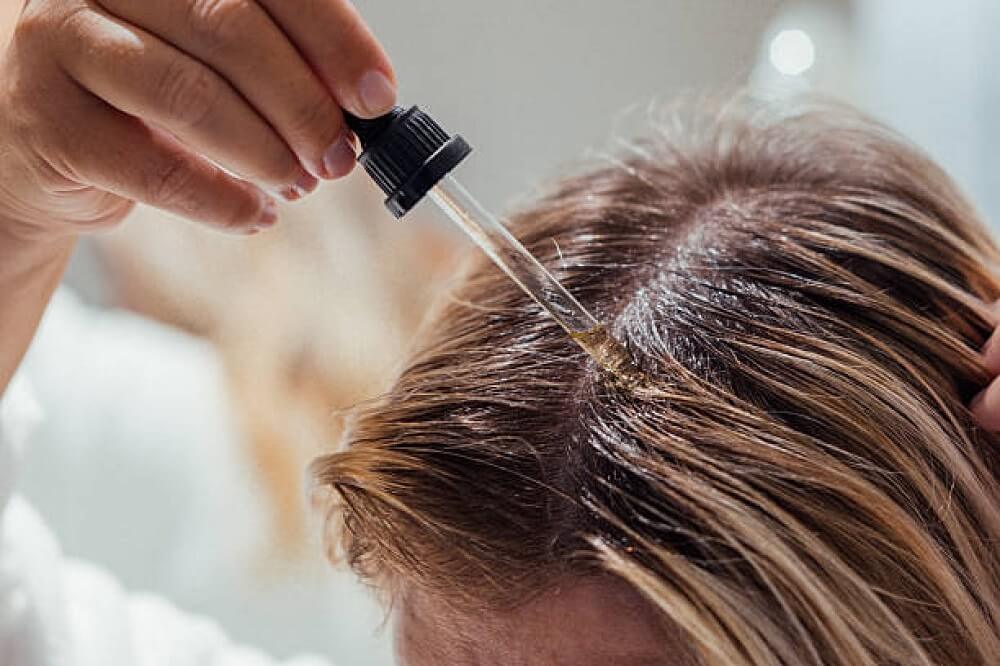
A well-hydrated scalp maintains its barrier function more effectively. Light, non-comedogenic scalp serums or oils like jojoba oil (which closely mimics natural sebum) can support barrier health without clogging follicles.
06
of 11Scalp Microbiome: The Missing Piece Most Articles Skip
I want to spend a moment on this because it’s consistently undercovered in the content I’ve reviewed on this topic — and in my research, it’s one of the most important pieces of the pH puzzle.
Your scalp is home to a diverse community of microorganisms — bacteria, fungi, and other microbes — that exist in a delicate balance. This is your scalp microbiome. A healthy, slightly acidic scalp environment (pH 4.5–5.5) is where this balance is maintained most effectively.
When pH shifts alkaline, certain organisms — particularly Malassezia species (linked to dandruff) and Cutibacterium acnes (linked to scalp inflammation) — can grow unchecked. This microbial imbalance doesn’t just cause immediate symptoms. It can establish a cycle where the disrupted microbiome makes it harder for the scalp to self-regulate its pH naturally.
This is why some people find that even after switching to a better shampoo, their scalp takes weeks to normalize. The microbiome needs time to rebalance alongside the pH.
Supporting your scalp microbiome means maintaining consistent pH-friendly habits over time — not a single product switch. Think of it as an ecosystem restoration, not a quick fix.
07
of 11Best Ingredients That Support a Healthy Scalp pH
When reading ingredient labels, here are the actives that work with your scalp’s natural chemistry:
pH-Supporting Ingredients
- Aloe vera (pH ~4.5) — naturally acidic, soothing, and hydrating
- Glycerin — a humectant that supports moisture retention without disrupting pH
- Panthenol (Vitamin B5) — strengthens the scalp barrier and helps retain moisture
- Betaine — a mild, gentle cleanser derived from beets; much softer than sulfates
- Citric acid — used in small amounts by formulators to bring shampoo pH into the correct range
- Lactic acid (low concentration) — mild AHA that can help exfoliate while maintaining acidic pH
Ingredients That Can Disrupt Scalp pH
- Sodium lauryl sulfate (SLS) — one of the strongest surfactants; known to alkalinize and irritate the scalp in repeated use
- Ammonium lauryl sulfate — similar concerns to SLS; slightly milder but still potentially disruptive
- Baking soda (sodium bicarbonate) — pH ~9; widely promoted for DIY hair washing but clinically problematic
- Alkaline hair dyes and bleaches — pH 9–11; necessary for processing but should be followed by pH correction
08
of 11Scalp pH Balance vs. Overall Scalp Health: Understanding the Relationship
It’s worth clarifying something that gets blurred in a lot of content I’ve read on this topic: pH balance is one dimension of scalp health, not the whole picture.
A healthy scalp also requires:
- Adequate blood circulation to hair follicles
- Proper nutrition (particularly protein, iron, zinc, and biotin)
- Hormonal balance (relevant for conditions like androgenic alopecia)
- Absence of chronic inflammation
- A healthy sleep and stress management routine
pH balance matters enormously — but it functions as a foundation condition. When pH is off, the scalp is more vulnerable to every other stressor. When pH is right, the scalp is better positioned to manage other challenges.
On ScalpInsight, I research all of these factors and how they interact. But for many people, pH correction is the most accessible and impactful first step — especially when other causes haven’t been identified.
A Note From Zahid
The advice in this post reflects 10 years of personal research and the patterns I’ve seen in studying scalp biology across clinical literature and real-world experience. I’m not a dermatologist, and nothing here replaces a consultation with a medical professional if you’re dealing with a diagnosed condition. What I can offer is honest, research-grounded context to help you make better-informed decisions about your scalp health. That’s what ScalpInsight has always been about.
09
of 11Frequently Asked Questions
How do I know if my scalp pH balance is off?
The most reliable indicators are persistent symptoms: chronic itchiness, flaking that doesn’t resolve with standard shampoos, excessive oiliness, post-wash sensitivity, or frizzy and dull hair. If you’re experiencing two or more of these regularly, pH imbalance is worth investigating. Home pH strips can give you a directional reading, though they aren’t clinically precise.
What is the ideal scalp pH level?
The healthy scalp pH range is generally accepted as 4.5 to 5.5 — mildly acidic. Your hair shaft also prefers acidic conditions to maintain smooth, closed cuticles that retain moisture and reflect light.
How can I balance my scalp pH naturally?
The most effective natural approaches include switching to a pH-balanced (sulfate-free) shampoo, reducing wash frequency to allow the acid mantle to recover, using diluted apple cider vinegar rinses (1 tablespoon per cup of water), rinsing with cool water, and protecting against hard water if you’re in a high-mineral area.
Can shampoo affect scalp pH?
Yes — significantly. Many conventional shampoos have a pH between 6 and 8, which is meaningfully alkaline relative to your scalp’s ideal range of 4.5–5.5. Repeated use of alkaline shampoos is one of the most common drivers of scalp pH disruption. Always check if your shampoo is labeled pH-balanced or sulfate-free.
Does hard water affect scalp pH?
Yes. Hard water contains calcium and magnesium ions that can raise the pH of your scalp’s surface after rinsing. People in hard water areas often notice more persistent dryness, residue buildup, and difficulty managing scalp conditions. A shower filter can help mitigate this.
Can scalp pH imbalance cause dandruff?
It can contribute to it. Dandruff is primarily driven by Malassezia yeast overgrowth, and research suggests this yeast thrives in a more alkaline scalp environment. Restoring the scalp’s natural acidic pH can help reduce the conditions that favor Malassezia, though it’s rarely the only intervention needed for significant dandruff.
10
of 11The Bottom Line
Scalp pH isn’t a trendy wellness concept — it’s the biological foundation your scalp’s entire defense and repair system depends on. When it’s in the right range (4.5–5.5), your acid mantle is intact, your microbiome is balanced, your hair cuticle stays sealed, and your scalp can regulate itself. When it’s off, everything from itchiness to dandruff to excessive oil can follow.
The good news: this is one of the most fixable aspects of scalp health. It doesn’t require expensive treatments or specialist appointments. It requires understanding what’s disrupting your pH, removing those factors, and replacing them with habits that work with your scalp’s biology — not against it.
If this is the first time you’ve connected your scalp symptoms to pH, start simple: evaluate your current shampoo, reduce wash frequency, and give it four to six weeks. Your scalp needs time to recalibrate.
If you want to go deeper on any of these topics — the scalp microbiome, specific product ingredients, or scalp care routines for different hair types — ScalpInsight covers all of it, with the same commitment to research-backed, no-fluff guidance.
11
of 11References & Further Reading
Gavazzoni Dias MF. Hair cosmetics: an overview. International Journal of Trichology, 2015. PMC4158629.
Dawber RPR, Van Neste D. Hair and Scalp Disorders. CRC Press. (Overview of scalp barrier function and pH role.)
Proksch E, et al. The skin surface acid mantle: current perspectives and future therapy. Journal of Dermatology, 2008.
Shim JH, et al. Influence of various surfactants on skin surface pH. Skin Pharmacology and Physiology, 2014.
Reddit r/HaircareScience — Community discussions on scalp pH and barrier science (2020–present).